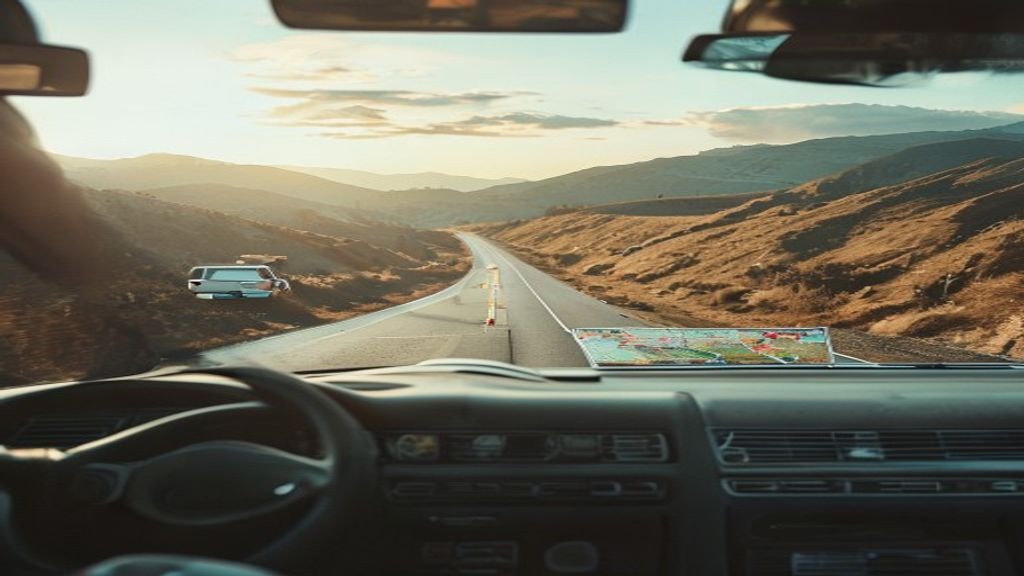
A good road trip has a very specific feeling.
The car is packed, the playlist is working, the coffee is still warm, and the day feels open in the best way. You are not just going somewhere. You are moving through the trip slowly enough to notice the views, the tiny towns, the roadside bakeries, and the detours that become better than the plan.
A bad road trip also has a specific feeling.
Everyone is tired. The next stop is farther than expected. The driver is hungry. The hotel check-in is late. The fuel light is on. Someone says, “We should have left earlier,” and suddenly the whole car goes quiet.
The difference is usually not luck. It is planning the right amount.
You do not need to schedule every minute. In fact, that can kill the fun. But you do need a route that respects distance, energy, food, sleep, safety, and the fact that real travel always takes longer than the map says.
The Quick Road Trip Formula
If you only remember one thing, use this:
Plan the route around comfort, not just distance.
For most leisure road trips, a good day is usually:
- 3 to 5 hours of actual driving if you want time to explore.
- 5 to 7 hours if the day is mostly about getting from A to B.
- Regular breaks every 2 hours or so.
- One main highlight per day, not five.
- A place to sleep booked before you get tired.
That is the rhythm that keeps a road trip feeling like a holiday instead of a delivery job.
Start With The Mood Of The Trip
Before choosing stops, decide what kind of road trip you actually want.
Is this a scenic slow drive? A national parks route? A beach-hopping trip? A food trip? A family vacation? A budget adventure? A romantic weekend? A long relocation drive with some fun built in?
That answer matters because every road trip has a different pace.
A photography road trip should leave time for sunrise, sunset, and random roadside stops. A family road trip needs shorter days and predictable breaks. A food road trip should avoid arriving in small towns after every kitchen has closed. A national parks trip needs early starts, parking planning, and backup hikes.
The route should serve the trip, not the other way around.
For broader itinerary planning, our travel planning guide is a useful companion.
Do Not Trust The Map Time Completely
Map apps are helpful, but they are optimistic in a way that can ruin your afternoon.
They often do not fully account for:
- Fuel stops.
- Coffee breaks.
- Lunch.
- Scenic pullouts.
- Traffic near cities.
- Parking.
- Bathroom stops.
- Weather.
- Construction.
- Someone needing a real break from sitting.
If the map says a drive is four hours, I mentally treat it like five. If it says six, I ask whether that day is actually worth it.
This is especially important when you are driving through mountain roads, coastlines, deserts, border crossings, ferries, or national parks. The distance might look small, but the road can be slow.
Build Your Route In Layers
I like planning road trips in three layers:
- Must-do stops.
- Nice-if-we-have-time stops.
- Emergency easy stops.
The must-do stops are the reason for the trip. The nice-if-we-have-time stops give you flexibility. The easy stops are practical: fuel, food, supermarkets, rest areas, and simple overnight towns.
This keeps the day from becoming too fragile. If you wake up late or weather changes, you can drop the optional stops without feeling like the trip failed.
Keep One Main Highlight Per Day
This is one of the biggest lessons I learned the hard way.
If you add too many “quick stops,” the whole day becomes shallow. You are always arriving, parking, taking a photo, leaving, and checking the time.
One main highlight gives the day shape. You can still stop for views, coffee, and small discoveries, but there is one clear thing that matters most.
Examples:
- A scenic coastal drive plus one beach walk.
- A national park viewpoint plus a short hike.
- A food town plus a relaxed dinner.
- A mountain pass plus one lake stop.
- A historic town plus time to wander.
That pace gives the trip room to breathe.
Book The Right Overnight Stops
Your overnight stop can make or break the next day.
I look for places that are:
- Close to the next morning’s route.
- Easy to park at.
- Near food or a supermarket.
- Safe and well reviewed.
- Simple to check into if arriving late.
- Not too far off the main route unless the detour is worth it.
For road trips, I usually prefer practical comfort over fancy design. A clean room, easy parking, and breakfast nearby can be more valuable than a beautiful lobby.
If you are deciding between hotels, motels, apartments, or guesthouses, our where to stay travel guide breaks down the best accommodation type for each trip style.
Plan Food Before Everyone Gets Hungry
Food is not a small detail on a road trip. It controls the mood in the car.
The best road trip food plan is a mix:
- A few planned meals you are genuinely excited about.
- Simple backup snacks.
- Water for everyone.
- Something fresh, not only chips and candy.
- A cooler if the trip is long.
- A list of towns where food is likely to be available.
In remote areas, do not assume there will be good options whenever you want them. Small towns may close early, and popular scenic routes can have long stretches with limited food.
For food-focused route ideas, use our food travel guide to plan meals as part of the experience instead of an afterthought.
Do A Real Vehicle Check Before You Leave
The National Highway Traffic Safety Administration recommends checking key vehicle items before summer driving and road trips, including tires, wiper blades, lights, recalls, and other safety basics.
In practical terms, check:
- Tire pressure and tread.
- Spare tire or repair kit.
- Oil and fluids.
- Lights.
- Wiper blades.
- Brakes if anything feels off.
- Air conditioning or heating.
- Registration and insurance.
- Whether the car has open recalls.
- Phone mount and charger.
If you are renting a car, check the tires, fuel type, damage photos, insurance details, and emergency number before leaving the lot.
This part is boring until it saves the trip.
Pack A Simple Car Emergency Kit
Ready.gov recommends keeping emergency supplies in the car, and this is one of those habits that feels unnecessary until suddenly it is not.
A useful road trip kit can include:
- Phone charger and power bank.
- Water.
- First aid kit.
- Flashlight.
- Jumper cables or portable jump starter.
- Reflective triangle or warning light.
- Blanket or warm layer.
- Basic snacks.
- Paper map or offline maps.
- Tire pressure gauge.
- Basic tools.
- Medication you may need.
You can adjust this for the destination. Desert, mountain, winter, and remote routes all need extra thought.
Download Offline Maps
Even in well-connected countries, signal can disappear in the exact place you need it.
Before leaving, download:
- Offline maps for the route.
- Hotel addresses.
- Reservation confirmations.
- Park or attraction tickets.
- Emergency contacts.
- Travel insurance details.
- A shared route for someone at home if relevant.
Offline maps also reduce stress when the route changes. You can detour without feeling lost.
Budget For The Costs People Forget
Road trips can feel cheaper than flying, but the small costs add up.
Budget for:
- Fuel or charging.
- Tolls.
- Parking.
- Accommodation.
- Food and snacks.
- Park or attraction entry.
- Car rental insurance.
- Extra driver fees.
- One-way rental fees.
- Cleaning fees or mileage limits.
- Emergency buffer.
The emergency buffer matters. A tire issue, weather delay, extra night, or last-minute hotel change can happen.
For saving money without making the trip feel cheap, read our budget travel guide.
Share The Driving Fairly
If more than one person can drive, talk about it before the trip.
Do not wait until someone is exhausted. Agree on:
- Who drives which sections.
- Maximum driving time per person.
- When to stop for breaks.
- Whether night driving is allowed.
- Who handles navigation.
- Who watches for parking, fuel, and food.
The driver should not be responsible for every decision. A good passenger helps with directions, snacks, music, parking signs, and keeping the mood steady.
Make The Car Comfortable
Small comfort details matter after a few hours.
Bring:
- Sunglasses.
- Layers.
- Comfortable shoes.
- A small trash bag.
- Wet wipes or tissues.
- Hand sanitizer.
- Reusable water bottles.
- Charging cables for every phone.
- A playlist downloaded offline.
- A quiet option for when everyone needs a break.
If traveling with kids, add extra snacks, simple games, headphones, and stops where they can move. Our family travel guide has more ideas for keeping trips realistic with children.
Scenic Routes Are Better When You Respect The Stops
Some roads are not only transport. They are the attraction.
The Federal Highway Administration’s America’s Byways program highlights officially designated scenic byways and All-American Roads across the United States. These routes can be a strong starting point if you want the drive itself to be memorable.
Wherever you drive, respect pullouts, private land, speed limits, and local rules. Do not stop suddenly in unsafe places for a photo. A beautiful view is not worth creating a dangerous moment.
If your road trip includes outdoor spaces, our sustainable travel guide is a good reminder of how to enjoy popular places without adding pressure to them.
Leave Space For The Unexpected
The best road trip moments are often unplanned.
You see a roadside fruit stand. A small museum looks more interesting than expected. The weather is perfect at a lake. A local recommends a better viewpoint. The sunset asks you to stop.
If your plan is packed too tightly, you miss all of that.
I like leaving one flexible block every day. It can become a nap, a detour, a long lunch, a photo stop, or nothing at all. Nothing is underrated on a road trip.
Know When To Stop
This sounds obvious, but it is important: if the driver is tired, stop.
No viewpoint, hotel reservation, or dinner plan is worth unsafe driving. Pull over somewhere safe, switch drivers, take a break, or adjust the plan.
Bad road trips often come from pushing too hard because “we are almost there.” If almost there still means another hour on a dark road with a tired driver, that is not almost there in any useful sense.
A Simple 5-Day Road Trip Template
Use this as a starting point:
Day 1: Easy Start
Drive 2 to 4 hours, stop somewhere pleasant for lunch, and sleep in a town that sets up the next day well.
Day 2: Main Scenic Day
Do the most beautiful drive or biggest highlight while everyone still has energy.
Day 3: Slower Explore Day
Stay two nights in one place if possible. Walk, eat well, do laundry, and enjoy not packing.
Day 4: Second Big Highlight
Add a hike, beach, city, viewpoint, or special meal. Keep the drive manageable.
Day 5: Comfortable Return
Avoid making the last day too long. Ending exhausted can make the whole trip feel harder than it was.
Useful Resources
- NHTSA Summer Driving and Road Trip Tips
- Ready.gov Car Safety
- U.S. National Park Service Plan Your Visit
- Federal Highway Administration America’s Byways
FAQ
How many hours should you drive per day on a road trip?
For a comfortable vacation-style road trip, 3 to 5 hours of actual driving is a good target. You can drive longer on transfer days, but long driving days leave less time for food, views, and rest.
Is it better to book hotels in advance on a road trip?
Book key nights in advance, especially weekends, holidays, national parks, beach areas, and popular cities. Leave some flexibility on quieter routes if you enjoy spontaneous travel.
What should I pack for a road trip?
Pack water, snacks, chargers, offline maps, first aid basics, car documents, a flashlight, layers, sunglasses, and a small emergency kit. Add destination-specific items for mountains, deserts, winter, or remote routes.
How do I make a road trip cheaper?
Travel with a realistic route, avoid unnecessary long detours, compare fuel and accommodation costs, pack snacks, choose simple stays, and spend longer in fewer places.
What is the biggest road trip mistake?
Trying to cover too much distance. A road trip should leave room for stops, meals, weather, rest, and the unexpected moments that make the drive worth doing.
Final Thoughts
A road trip is not only about the destination at the end of the route. It is about the space between places.
Plan enough to stay safe, comfortable, and on budget. Then leave enough room for the stops you did not know you needed.
That balance is where the best road trips happen.