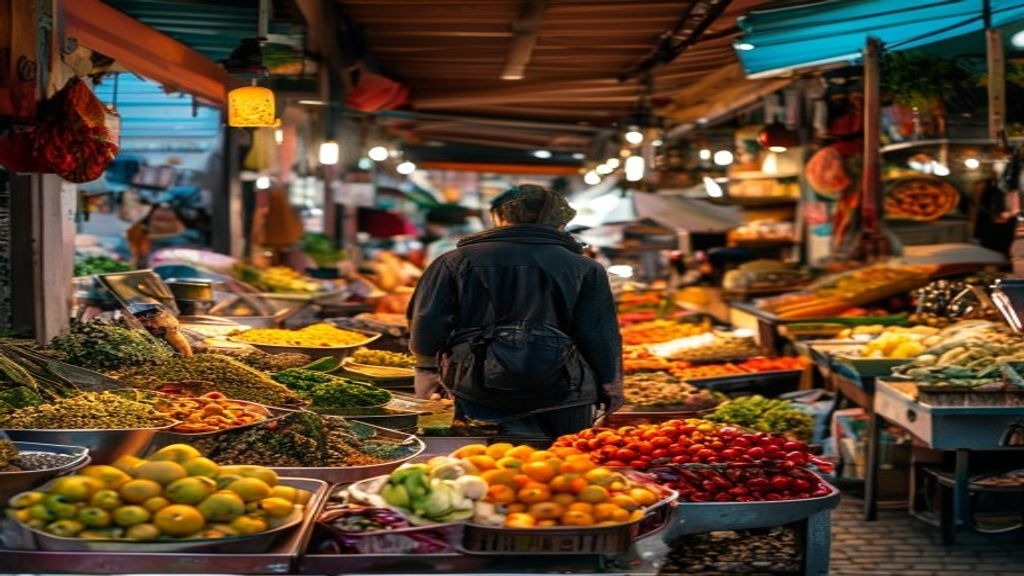
Some of the strongest travel memories happen around food. Not always the fancy meals, either. Sometimes it is the first coffee after a long flight, a warm piece of bread from a tiny bakery, noodles eaten at a plastic table, fruit from a morning market, or the dish you ordered by pointing because you did not know the language yet.
Food has a way of making a place feel real. It tells you what grows there, what people eat when they are busy, how families gather, what the streets smell like at night, and what the destination tastes like beyond the postcard version.
The best food travel is not about chasing a checklist of famous dishes. It is about curiosity. You ask what locals actually eat, where the market is, what is seasonal, what is eaten for breakfast, what is saved for celebrations, and what dish someone would miss if they moved away.
This guide will help you explore a destination through food in a way that feels delicious, respectful, safe, and memorable.
Quick Answer: How Do You Plan A Food-Focused Trip?
Start with one food tour, one market visit, one casual local restaurant, and one meal you are genuinely excited about.
A good food travel plan includes:
- Researching signature dishes before you arrive.
- Visiting a market early in the trip.
- Booking a food tour or cooking class.
- Asking locals what they eat, not only where tourists go.
- Trying street food carefully.
- Leaving room for spontaneous meals.
- Learning basic food words in the local language.
- Checking food and water safety advice for the destination.
You do not need every meal planned. You just need enough direction to avoid eating randomly near tourist traps every day.
Start With The Local Breakfast
Breakfast is one of the easiest ways to understand a place.
In some destinations, breakfast is strong coffee and pastry. In others, it is soup, rice, bread, beans, eggs, noodles, cheese, fruit, or something spicy enough to wake you up properly.
Trying a local breakfast changes the rhythm of the day. You see where people stop before work, what is quick, what is comforting, and how the city begins.
If you are nervous about unfamiliar food, breakfast is a gentle start. Find a busy local spot, order something simple, and watch what other people are eating.
Visit A Market Early In The Trip
Markets are food travel shortcuts. In one place, you can see ingredients, snacks, spices, fruit, bread, fish, sweets, flowers, and the daily rhythm of the destination.
Go early if you can. Morning markets feel different before the day gets too hot or crowded. Vendors are arranging produce, locals are shopping, and the food feels connected to everyday life.
Market tips:
- Walk once before buying.
- Notice what locals are ordering.
- Try small portions.
- Bring cash if cards are not common.
- Ask before taking close-up photos of vendors.
- Avoid blocking stalls for long photo sessions.
- Learn how to say thank you.
Markets are not just places to eat. They are places to observe.
Book A Food Tour On Your First Or Second Day
A good food tour can change the whole trip. It gives you dishes to look for, neighbourhoods to return to, local habits to understand, and confidence to order better meals on your own.
Food tours are especially useful when:
- You do not speak the language.
- The cuisine is unfamiliar.
- Street food feels intimidating.
- You want historical or cultural context.
- You are travelling solo and want a social meal.
- You have limited time.
Choose tours with small groups, local guides, clear tasting lists, and reviews that mention storytelling, not only quantity of food.
Eat Where The Place Has Energy
One of the simplest food travel rules is to look for energy.
A good local food spot often has:
- Regular customers.
- A focused menu.
- Fresh turnover.
- Staff who know the rhythm.
- Dishes moving quickly.
- A smell that makes you hungry.
This does not mean every good place is crowded or famous. Some excellent meals happen in quiet family restaurants. But if a street food stall, bakery, or casual restaurant has steady local traffic, that is usually a good sign.
Street Food: How To Enjoy It Carefully
Street food can be one of the best parts of travel. It is fast, affordable, local, and full of personality.
Smart street food habits:
- Choose busy stalls with high turnover.
- Watch food being cooked fresh.
- Prefer hot food served hot.
- Be cautious with raw items if water safety is uncertain.
- Use hand sanitizer when needed.
- Start with small portions.
- Follow local meal times for fresher food.
This is not about being afraid. It is about choosing wisely so the rest of your trip is not ruined by one careless meal.
CDC travel health guidance notes that contaminated food and water can carry infectious disease risks for travellers, so destination-specific advice is worth checking before you go.
Learn The Story Behind One Dish
A dish becomes more memorable when you know the story.
Ask:
- Is this everyday food or celebration food?
- Is it linked to a region?
- Is it eaten at a specific time of day?
- Does every family make it differently?
- What ingredient makes it special?
- Is there a correct way to eat it?
Food is culture, geography, migration, trade, memory, and climate on a plate. The more you learn, the more meaningful the meal becomes.
Do Not Only Eat The Famous Dishes
Famous dishes are famous for a reason, and you should try them. But the best food trips also include ordinary meals.
Look for:
- Bakeries.
- Markets.
- Food courts.
- Lunch specials.
- Family restaurants.
- Local chains.
- Neighbourhood cafes.
- Seasonal snacks.
- Train station food.
- Regional dishes outside the capital.
The famous meal might be the highlight, but the ordinary meals often make the destination feel lived-in.
How To Handle Dietary Needs While Travelling
If you have allergies, religious dietary needs, vegetarian/vegan preferences, or medical restrictions, prepare before the trip.
Helpful steps:
- Learn key food words in the local language.
- Save translated allergy cards.
- Research common ingredients.
- Message restaurants ahead for special meals.
- Book accommodation with kitchen access if needed.
- Carry backup snacks.
- Be extra careful with sauces, broths, oils, and cross-contamination.
Do not assume a dish is safe because it looks simple. Ask clearly and politely.
Budgeting For Food Travel
Food travel does not have to mean expensive restaurants.
A balanced food budget could include:
- Breakfast at local cafes or bakeries.
- Markets and street food for casual meals.
- One food tour or cooking class.
- One special restaurant.
- Grocery snacks for travel days.
- A little extra for spontaneous finds.
If your budget is tight, make lunch your bigger meal. Many destinations have better-value lunch menus than dinner menus.
Also remember that drinks, coffee, desserts, service charges, and tips can add up quickly depending on the country.
Food Photography Without Being Annoying
Food photos are part of travel, but the meal should still feel like a meal.
Simple tips:
- Use natural light when possible.
- Take photos quickly.
- Include hands, menus, tiles, cups, or market context.
- Avoid flash in restaurants.
- Do not stand on chairs.
- Do not block staff or other diners.
- Photograph the place, not only the plate.
The best food photos make you remember the atmosphere, not just the ingredients.
Cooking Classes And Food Experiences
Cooking classes are worth considering if you want more than a restaurant meal.
Good food experiences include:
- Market-to-table cooking classes.
- Farm visits.
- Coffee tastings.
- Wine or olive oil tastings.
- Street food walks.
- Home-hosted meals.
- Bakery or pasta workshops.
- Spice market tours.
These experiences help you understand the work behind the food. They also give you stories to bring home, not just photos.
Food Safety Basics For Travellers
Food travel should be fun, but a little caution helps.
Basic habits:
- Wash or sanitize hands before eating.
- Choose busy places with fresh turnover.
- Be cautious with tap water where it is not recommended.
- Eat hot food while it is hot.
- Be careful with raw seafood in high-risk settings.
- Keep medication and hydration supplies handy.
- Check destination-specific health guidance before travel.
If you are eating outdoors or carrying food in hot weather, official food safety guidance from agencies like the FDA and USDA is useful: perishable food should not sit out too long, especially in high heat.
Common Food Travel Mistakes
Avoid these:
- Eating every meal next to the biggest tourist attraction.
- Assuming expensive means authentic.
- Overplanning every restaurant.
- Ignoring markets.
- Being afraid to ask questions.
- Forgetting breakfast and snacks on travel days.
- Trying too many rich foods too quickly.
- Taking photos but not tasting while food is fresh.
- Treating local food like a performance instead of someone’s everyday life.
The best food travellers are curious and respectful.
A Simple Food Travel Day
Morning:
- Local breakfast.
- Coffee or tea somewhere with regular customers.
Midday:
- Market visit or casual lunch.
- Try one dish you researched before arrival.
Afternoon:
- Bakery, snack, fruit stand, or food shop.
Evening:
- Food tour, special restaurant, street food area, or relaxed neighbourhood dinner.
This gives the day flavour without making it feel over-scheduled.
FAQ: Food Travel
What is food travel?
Food travel means exploring a destination through its local cuisine, markets, restaurants, street food, ingredients, drinks, and food traditions.
How do I find authentic local food?
Look beyond tourist streets, visit markets, ask locals what they actually eat, join a food tour, and pay attention to places with regular local customers.
Is street food safe while travelling?
It can be, but choose carefully. Busy stalls with high turnover and freshly cooked hot food are generally smarter choices than food sitting out for a long time.
Should I book restaurants before a trip?
Book special restaurants, popular tasting menus, or food experiences in advance. Leave casual meals flexible so you can follow local recommendations.
How can I enjoy food travel with dietary restrictions?
Research common ingredients, learn key food phrases, carry translated allergy cards if needed, message restaurants ahead, and keep backup snacks.
Final Thoughts
Food travel is one of the easiest ways to make a trip feel deeper. You do not have to spend a fortune or eat at famous restaurants every night. You just have to pay attention.
Try the breakfast. Walk through the market. Ask what the dish means. Eat where the place has energy. Take the photo, but taste the food while it is still hot.
Years later, you may forget the exact order of museums and viewpoints, but you will remember the first bite of something new in a place that suddenly felt a little more familiar.
Planning a bigger trip around food? Start with Roamio’s travel planning guide, Europe travel guide, and travel photography guide to build the full experience.