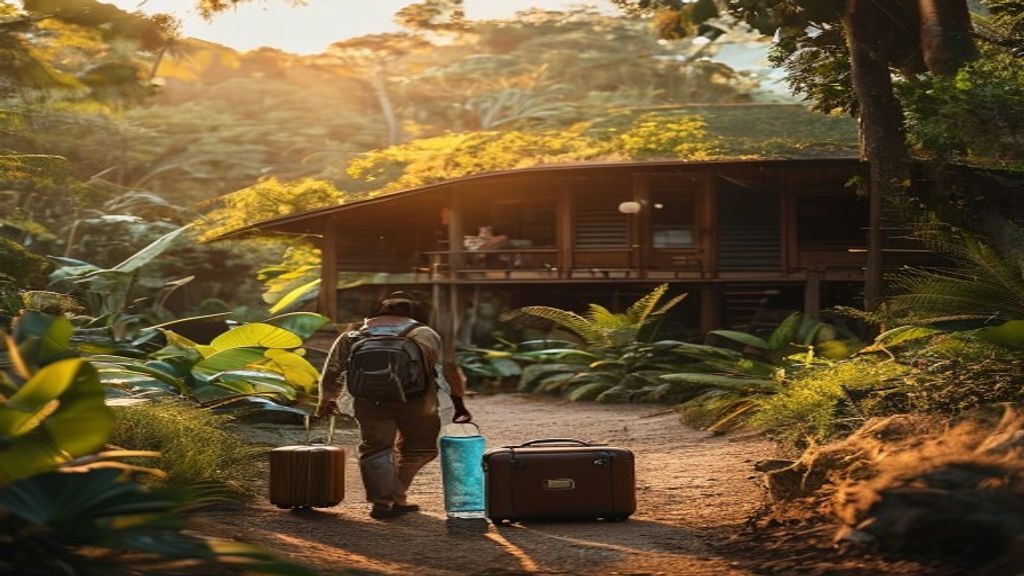
The first time sustainable travel really made sense to me, it was not because of a perfect eco-lodge or a dramatic documentary. It was a tiny moment on a trip: I realized the best parts of the day had come from slower choices.
I had walked instead of taking a short ride. I had eaten at a small place where the owner explained the dish with real pride. I had skipped a crowded stop and spent longer in one neighborhood. Nothing felt like sacrifice. The trip actually felt better.
That is the side of sustainable travel people do not talk about enough.
It is not only about using less plastic, choosing trains, or finding greener hotels. It is about traveling in a way that feels more connected, less rushed, and more respectful of the place you came to enjoy.
The Simple Meaning Of Sustainable Travel
Sustainable travel means thinking about the effect your trip has on the destination, not only the photos you bring home.
UN Tourism describes sustainable tourism as travel that considers current and future economic, social, and environmental impacts while meeting the needs of visitors, the industry, the environment, and host communities.
In normal traveler language, that means:
- Your money should reach local people when possible.
- Your visit should not damage the place you came to see.
- Local culture should be respected, not treated like a background prop.
- Natural areas should be left in good condition.
- Your choices should help the destination stay enjoyable for future travelers and residents.
This does not mean every trip must be perfect. Perfect travel is almost impossible. Better travel is very possible.
Start With A Better Question
Most of us plan trips by asking, “What are the best things to do?”
That is useful, but sustainable travel starts with a slightly better question:
How can I enjoy this place without making life harder for the people who live here?
That question changes how you choose your neighborhood, hotel, transport, tours, meals, and even your daily pace.
It helps you notice when a famous attraction is overloaded, when a “cheap” tour seems unfair to local workers, or when staying outside the busiest zone might make the trip more relaxed for everyone.
Choose Fewer Places And Stay Longer
One of the easiest sustainable travel choices is also one of the best for your mood: stop trying to see everything.
When you rush through four cities in five days, you spend more money on transport, create more emissions, and experience each place in a shallow way. You also end up tired, with a phone full of photos and very few real memories.
Staying longer gives you time to:
- Walk instead of ride.
- Eat in local neighborhoods.
- Visit quieter places.
- Learn the rhythm of the city.
- Spend money beyond the main tourist street.
- Have unplanned moments.
On a practical level, it also makes travel easier. Fewer check-ins, fewer transfers, less packing, and more breathing room.
Our travel planning guide can help you build an itinerary that leaves enough space for this kind of slower travel.
Pick Accommodation That Supports The Trip And The Place
Accommodation is one of the biggest decisions you make, because it shapes your budget, location, energy, and local impact.
You do not need to book the most expensive eco-resort to travel better. Start with practical checks:
- Is the property locally owned or locally staffed?
- Does it avoid wasteful daily linen changes unless requested?
- Does it explain real sustainability practices, not vague green wording?
- Is it close enough to walk or use public transport?
- Does it respect the neighborhood rather than overwhelm it?
- Are recent reviews good on cleanliness, staff, and location?
Be careful with labels that sound green but say very little. Words like “eco”, “natural”, and “conscious” are easy to add to a website. Stronger signs include clear waste, water, energy, local hiring, community, or certification information.
The Global Sustainable Tourism Council is useful here because it sets recognized standards for sustainable tourism certification and explains that sustainable tourism applies across the whole industry, not only nature trips.
For the practical side of picking a place to sleep, use our where to stay travel guide.
Spend More Of Your Money Locally
One of the kindest things you can do as a traveler is make sure your spending does not disappear into a chain that has little connection to the destination.
That does not mean you can never use big platforms or familiar brands. It means you can be intentional once you arrive.
Try to spend on:
- Locally owned restaurants.
- Small tour operators.
- Independent cafes.
- Local markets.
- Guides from the community.
- Family-run guesthouses.
- Workshops, cooking classes, and cultural experiences led by locals.
This often gives you a better trip. Some of my favorite travel memories came from small decisions: a family restaurant instead of a tourist strip, a neighborhood bakery instead of hotel breakfast, a local guide who turned a simple walk into a story.
If you are planning a food-focused trip, our food travel guide has more ideas for eating well while supporting local places.
Be Careful With “Must-See” Lists
Sustainable travel does not mean avoiding famous places. Some famous places are famous for good reason.
But the problem starts when everyone follows the same list at the same time, takes the same photo, and leaves immediately.
A better approach:
- Visit popular places early, late, or in shoulder season.
- Add less crowded neighborhoods or nearby towns.
- Book official tickets instead of questionable resellers.
- Follow local rules, even when others ignore them.
- Do not block paths, homes, or businesses for photos.
- Spend money nearby, not only inside the attraction.
The goal is not to feel superior. It is to be aware that a place is not a stage. People live, work, pray, commute, and rest there.
Choose Lower-Stress Transport When It Makes Sense
Transport is a big part of travel’s footprint, but the sustainable answer is not always simple.
For short routes, trains and buses can be a better choice than flights when they are available, safe, and practical. In cities, walking and public transport often make the trip more interesting anyway. You notice bakeries, street corners, small shops, and daily life that you miss from a car window.
I use this rule:
- Walk when the route is pleasant and safe.
- Use public transport when it is reliable.
- Take trains for short and medium routes when the timing works.
- Share rides or transfers when public transport is not practical.
- Fly when distance, time, safety, or cost makes it the reasonable option.
Do not turn sustainability into travel guilt. Use it as a decision filter.
Pack Lighter And Waste Less
Packing lighter helps more than people think. It makes transit easier, reduces stress, and keeps you from buying things you do not need on the road.
My sustainable packing basics are simple:
- A reusable water bottle where safe drinking water is available.
- A small tote bag.
- Refillable toiletries.
- A compact laundry kit for longer trips.
- Clothes that mix and match.
- A small container for snacks.
- A charger setup that avoids buying extras.
The trick is not to pack like a survival expert. It is to reduce the little disposable purchases that happen when you are unprepared.
Respect Nature Without Making It Complicated
If your trip includes beaches, mountains, deserts, forests, waterfalls, or national parks, the Leave No Trace principles are a useful framework.
In everyday language:
- Plan ahead.
- Stay on durable paths and marked trails.
- Take your trash with you.
- Leave natural and cultural objects where they are.
- Be careful with fire rules.
- Give wild spaces and other visitors respect.
- Keep noise and disruption low.
This matters even on easy day trips. A short viewpoint walk can still be damaged when thousands of visitors step off the trail for the same photo.
If you are planning active travel, pair this with our adventure travel guide.
Look For Tours That Feel Fair
A responsible tour should feel good for the traveler and fair for the destination.
Before booking, check:
- Who runs the tour?
- Are local guides involved?
- Is the group size reasonable?
- Are rules explained clearly?
- Does the activity respect local culture?
- Are claims specific or just emotional marketing?
- Are safety and cancellation policies clear?
Good tours often teach you something you could not understand alone. They make the place more meaningful, not just more photogenic.
Tourism Cares has a Meaningful Travel Map that can help travelers and travel professionals find vetted experiences connected to local benefit, which is a useful starting point when you want your trip spending to do more than cover your own entertainment.
Avoid Performative Sustainability
Not every “green” choice is meaningful. Sometimes sustainability becomes a marketing style: earthy colors, recycled-looking fonts, and vague promises.
Better questions are:
- What exactly is being reduced, protected, or supported?
- Who benefits locally?
- Is there evidence or certification?
- Are workers treated fairly?
- Is the experience respectful?
- Does the business explain its practices clearly?
If a company cannot explain what it actually does, be cautious.
Sustainable Travel On A Budget
There is a common myth that sustainable travel is only for luxury travelers. It can be, but it does not have to be.
Many budget-friendly choices are also responsible:
- Staying longer in fewer places.
- Using buses, trains, and walking.
- Eating local food.
- Carrying reusables.
- Choosing small guesthouses.
- Visiting free public spaces respectfully.
- Traveling in shoulder season.
- Booking locally run experiences.
The key is to avoid the cheapest option when the low price seems to come from poor treatment, unsafe conditions, or harmful practices.
Our budget travel guide can help you save money while still making decent choices.
Sustainable Travel Is Also About Culture
Environmental impact gets most of the attention, but culture matters just as much.
Before you arrive, learn a few basics:
- Local greetings.
- Dress expectations.
- Tipping habits.
- Religious or cultural rules.
- Photography etiquette.
- Meal customs.
- How to behave in markets, homes, and sacred places.
A little effort goes a long way. Even when you make mistakes, people usually feel the difference between carelessness and genuine respect.
My Sustainable Travel Checklist
Before a trip, I ask:
- Can I visit fewer places and stay longer?
- Is my accommodation in a good location for walking or transit?
- Will some of my money reach local businesses?
- Am I visiting at the most crowded time for no strong reason?
- Can I book a local guide or locally run experience?
- Do I understand the basic customs?
- Am I packing what I need to avoid waste?
- Are the activities respectful and well run?
- Have I left enough time to enjoy the place slowly?
This checklist does not make a trip perfect. It makes it more thoughtful.
Useful Resources
- UN Tourism: Sustainable Development
- Global Sustainable Tourism Council
- Leave No Trace Seven Principles
- Tourism Cares Meaningful Travel Map
FAQ
What is sustainable travel?
Sustainable travel means making choices that reduce negative environmental and social impact while supporting local communities and keeping destinations healthy for the future.
Is sustainable travel expensive?
Not always. Walking, using public transport, staying longer, eating locally, carrying reusables, and avoiding rushed itineraries can all be budget-friendly sustainable choices.
Are eco-hotels always better?
No. Some are excellent, but some use vague marketing. Look for specific practices, local benefit, credible certification, recent reviews, and a location that reduces unnecessary transport.
What is the easiest sustainable travel habit?
Slow down. Staying longer in fewer places usually reduces stress, supports deeper local spending, and makes the trip feel more memorable.
Can flying be part of sustainable travel?
Sometimes, yes. Many trips require flights. The better approach is to fly more intentionally, avoid unnecessary short hops when good alternatives exist, and make the rest of the trip more thoughtful.
Final Thoughts
Sustainable travel is not about being the perfect traveler. It is about paying attention.
When you slow down, choose local, respect rules, reduce waste, and treat places like homes rather than backdrops, the trip becomes better. You notice more. You connect more. You leave with stories that feel real.
And the best part is that most of these choices do not make travel smaller. They make it richer.