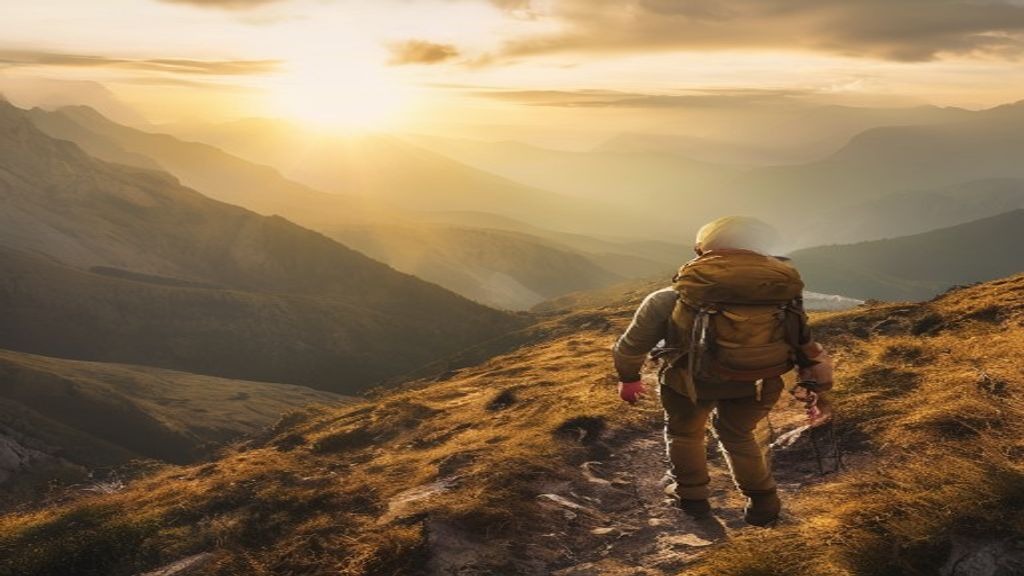
Adventure travel sounds big. It can make you picture mountain ridges, wild rivers, long trails, early alarms, tired legs, and the kind of views that make the effort feel worth it.
But adventure travel does not have to mean doing something extreme. It can be your first guided hike, a sunrise kayak trip, a desert camp, a beginner surf lesson, a cycling day through countryside roads, or a national park weekend where your phone barely works and your mind finally gets quiet.
The best adventure trips usually have one thing in common: they make you feel awake. You are paying attention to the weather, the trail, the water, your body, your guide, your gear, and the place around you. That is what makes the memory stick.
This guide is for travellers who want more than sightseeing but do not want to be reckless. It will help you choose the right adventure for your comfort level, plan safely, pack properly, and avoid the common mistakes that turn a good trip into a stressful one.
Quick Answer: How Do You Start Adventure Travel?
Start with a guided, beginner-friendly activity in a destination with good infrastructure.
Good first adventure travel ideas include:
- A marked day hike.
- A beginner surf lesson.
- A guided kayak or paddleboarding trip.
- A desert safari or overnight camp.
- A cycling tour on easy terrain.
- A national park weekend with short trails.
- A snorkelling or beginner diving experience with certified instructors.
- A small-group trip where transport, route, and safety are handled for you.
Your first adventure trip should make you feel challenged, not trapped. Choose something that stretches your comfort zone without ignoring your current fitness, confidence, or experience.
What Adventure Travel Really Means
Adventure travel is not one category. It is a spectrum.
At one end, there are soft adventures: walking tours, easy hikes, beginner kayaking, scenic cycling, snorkelling, zip lines, desert camps, and guided nature trips. These are great for beginners because they feel exciting without requiring advanced skills.
In the middle, there are trips that need more preparation: multi-day hiking, mountain biking, diving certification, rafting, climbing lessons, remote road trips, and cold-weather travel.
At the more serious end, there are high-altitude treks, technical climbs, backcountry routes, remote expeditions, and trips where weather, communication, and medical access can become real concerns.
The smart move is to be honest about where you are on that spectrum. Adventure travel is more enjoyable when your ambition and preparation match.
Choose The Right Adventure For Your Comfort Level
Before booking, ask yourself:
- How fit am I right now?
- Do I enjoy being outdoors for several hours?
- Am I comfortable with water, heights, speed, cold, heat, or remote places?
- Do I want a private guide, group tour, or independent route?
- How much risk am I actually comfortable with?
- What would make me feel calm and prepared?
There is no shame in choosing the easier version. A beautiful two-hour guided hike can be a better travel memory than a difficult full-day route you were not ready for.
The best adventure is the one you can finish tired, proud, and still smiling.
Best Adventure Travel Ideas For Beginners
If you are new to adventure travel, start with trips where the route, safety, and logistics are simple.
Beginner-friendly ideas:
- Day hiking in a well-marked park.
- A guided waterfall or canyon walk.
- A beginner surf or paddleboarding lesson.
- A scenic bike tour.
- A desert safari with a reputable operator.
- A boat trip with swimming stops.
- A guided snorkelling trip.
- A forest canopy or zip-line experience.
- A snowshoe or easy winter walk with proper gear.
These trips give you the feeling of adventure without demanding expert skills. They also help you learn what kind of activities you actually enjoy.
Adventure Trips Worth Building A Vacation Around
Once you have some confidence, adventure can become the reason for the whole trip.
Trip ideas worth planning around:
- A hiking holiday with several day trails.
- A scuba diving course.
- A kayaking route with overnight stops.
- A cycling trip through villages and countryside.
- A national park road trip.
- A mountain lodge stay.
- A surf camp.
- A desert crossing with guides.
- A winter trip built around snow activities.
For these trips, the activity is not just one part of the vacation. It shapes where you stay, what you pack, how early you wake up, and how much rest you need.
Safety Comes Before The View
The best adventure travellers are not careless. They are prepared.
Before you go, check:
- Weather conditions.
- Route difficulty.
- Distance and elevation.
- Water access.
- Emergency exits.
- Communication coverage.
- Permit requirements.
- Guide certifications.
- Cancellation rules.
- Insurance coverage for the activity.
The U.S. National Park Service recommends carrying the Ten Essentials for outdoor trips, including navigation, sun protection, insulation, light, first aid, fire, repair tools, food, water, and emergency shelter. You may need different gear depending on the activity, but the principle is the same: be ready for weather changes, delays, minor injuries, and unexpected problems.
Adventure travel should feel exciting. It should not depend on luck.
When To Book A Guide
Guides are worth it when the activity involves unfamiliar terrain, technical skills, unpredictable weather, water, altitude, remote areas, or safety equipment you do not know well.
Book a guide for:
- First-time climbing.
- First-time diving.
- Rafting.
- Remote hiking.
- Glacier or snow routes.
- Desert trips.
- Canyoning.
- Multi-day treks.
- Any activity where rescue would be difficult.
A good guide does more than lead the way. They manage pace, read conditions, explain the area, carry safety knowledge, and help you enjoy the experience without constantly worrying about logistics.
What To Pack For Adventure Travel
Packing depends on the activity, but a few items are useful on many adventure trips.
Adventure travel basics:
- Comfortable shoes suited to the activity.
- Daypack.
- Refillable water bottle or hydration system.
- Sun protection.
- Light rain layer.
- Warm layer.
- First-aid basics.
- Snacks.
- Portable charger.
- Offline map.
- Headlamp or small flashlight.
- Dry bag for water activities.
- Travel insurance details.
Do not pack only for the perfect version of the day. Pack for delays, wind, colder evenings, wet shoes, low phone battery, and the moment when you wish you had one extra layer.
How To Train Without Overthinking It
You do not need to become an athlete for most beginner adventure trips, but you should prepare your body for what the trip asks of it.
For hiking:
- Walk regularly before the trip.
- Add hills or stairs.
- Wear the shoes you plan to travel with.
- Carry a small daypack on practice walks.
For water activities:
- Be honest about your swimming confidence.
- Choose beginner lessons if needed.
- Tell the instructor about your comfort level.
For cycling:
- Practice longer rides before booking a full-day tour.
- Check whether the route is flat, hilly, paved, or off-road.
Training is not about pressure. It is about making the trip more enjoyable.
Plan Rest Like It Matters
Adventure travel can be tiring in a good way, but it is still tiring.
If you plan a hard hike, do not schedule an early flight, long transfer, and fancy dinner on the same day. If you book a water activity in the morning, leave the afternoon flexible. If you are doing a multi-day adventure, build in a recovery day before heading home.
Some of the best travel moments happen after the activity: the slow meal, the shower, the quiet evening, the feeling of having done something that pushed you a little.
Give yourself time to enjoy that part too.
Responsible Adventure Travel
Adventure travel often takes you into beautiful and fragile places. The way you behave matters.
Follow simple responsible travel habits:
- Stay on marked trails where required.
- Take your trash with you.
- Respect local rules and permits.
- Keep noise low in natural areas.
- Do not remove natural or cultural objects.
- Use established campsites where possible.
- Support local guides and operators.
- Choose smaller groups when the place is sensitive.
Leave No Trace principles are a useful framework: plan ahead, travel on durable surfaces, dispose of waste properly, leave what you find, minimize fire impact, respect wildlife, and be considerate of other visitors.
The goal is to leave the place good for the next person, not just good for your photos.
How To Choose A Good Adventure Operator
Do not book only from the prettiest photos. Look for signs that the operator is serious.
Check for:
- Clear safety information.
- Real reviews mentioning guides and organization.
- Transparent difficulty levels.
- Equipment details.
- Group size.
- Cancellation policy.
- Insurance expectations.
- Certifications where relevant.
- What happens in bad weather.
- Whether beginners are genuinely welcome.
If the listing makes a difficult activity sound effortless, be cautious. Good operators explain what is fun and what is demanding.
Common Adventure Travel Mistakes
Avoid these:
- Choosing a trip for photos instead of fit.
- Ignoring weather.
- Wearing new shoes for a long activity.
- Underestimating elevation or heat.
- Booking the cheapest operator for a safety-heavy activity.
- Not carrying enough water.
- Forgetting travel insurance.
- Planning too many hard activities back to back.
- Pretending you are more experienced than you are.
- Not turning back when conditions feel wrong.
Turning back is not failure. Sometimes it is the smartest decision of the trip.
A Simple 4-Day Beginner Adventure Itinerary
Use this as a model for a first adventure-focused trip:
Day 1: Arrive and settle in.
- Check in.
- Walk around the area.
- Confirm the next day’s activity.
- Sleep early.
Day 2: Guided beginner adventure.
- Easy hike, kayak trip, bike tour, surf lesson, or desert experience.
- Keep the afternoon slow.
- Have a relaxed dinner.
Day 3: Explore independently.
- Short trail, scenic viewpoint, beach, market, or cultural stop.
- Add one optional activity if you have energy.
Day 4: Final slow morning.
- Revisit a favourite spot.
- Pack without rushing.
- Leave enough time for transport.
This structure gives you adventure without turning the whole trip into a test.
FAQ: Adventure Travel
Is adventure travel safe for beginners?
Yes, if you choose beginner-friendly activities, use reputable operators, prepare properly, and stay honest about your comfort level. Start guided before trying more independent or remote trips.
What is the easiest adventure trip to start with?
A guided day hike, beginner kayak trip, scenic cycling tour, surf lesson, snorkelling trip, or desert safari are good starting points because they are structured and manageable.
Do I need special insurance for adventure travel?
Sometimes. Standard travel insurance may not cover every adventure activity. Check the policy details before booking anything involving altitude, diving, climbing, remote areas, motorized activities, or higher-risk sports.
What should I never forget on an outdoor adventure?
Water, sun protection, a weather layer, navigation, snacks, phone battery, and basic first aid. For longer or remote routes, use the Ten Essentials as a planning checklist.
How do I know if an adventure is too difficult?
Look at distance, elevation, technical requirements, weather exposure, required skills, and reviews from people at your level. If the description feels vague, ask the operator before booking.
Final Thoughts
Adventure travel is not about proving you are fearless. It is about choosing experiences that make you feel more present, more capable, and more connected to the place you are visiting.
Start with the version that fits you now. Book the guide. Pack the extra layer. Leave earlier than you think. Rest when you need to. Turn back if conditions are wrong.
The best adventure trips are not the ones that look hardest online. They are the ones that feel alive while you are there and still make you smile when you remember them later.
If you are still building confidence, read Roamio’s solo travel guide and travel planning guide before choosing your first adventure trip.