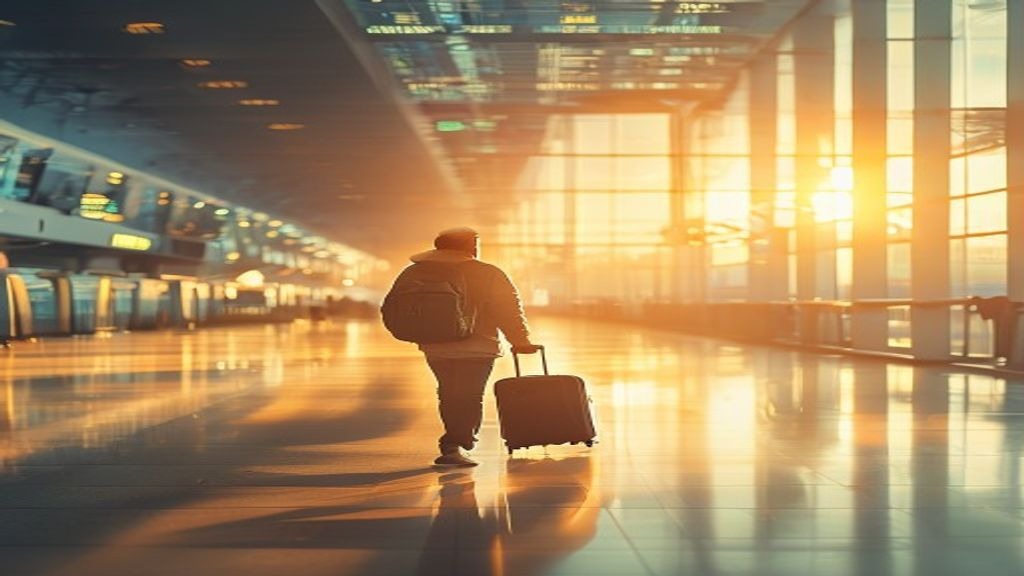
Flying is one of those travel experiences that can feel smooth and easy, or strangely exhausting before the trip even begins.
Some days you walk through the airport with time for coffee, your bag fits perfectly, security moves quickly, and the flight lands early. Other days you are repacking at the counter, hunting for a charger, refreshing a delay notice, and wondering why you did not leave home earlier.
The difference is often preparation.
You cannot control weather, airline schedules, or the person reclining into your knees. But you can control how you book, pack, arrive, move through the airport, and handle disruptions.
This guide is the version I wish I had before my first few stressful flights.
The Quick Answer
For a smoother flight day:
- Book with enough connection time.
- Check baggage rules before packing.
- Keep documents, medicine, valuables, and chargers in your personal item.
- Put spare lithium batteries and power banks in carry-on baggage.
- Follow TSA liquid rules if flying through U.S. security.
- Arrive earlier than you think you need to.
- Download the airline app.
- Save boarding passes and hotel details offline.
- Bring food, water after security, and a power bank.
- Know your rights if the flight is canceled or significantly changed.
Air travel is easier when you remove small points of friction before they stack up.
Book Flights With Realistic Connections
The cheapest flight is not always the best flight.
Before booking, look at:
- Connection time.
- Airport size.
- Whether you need to change terminals.
- Whether you must collect and recheck bags.
- Immigration or passport control.
- Weather risk.
- Arrival time.
- Cost of missing the next connection.
A 45-minute connection might look fine on a booking page, but it can feel very different when your first flight parks far from the terminal and your next gate is a train ride away.
For international connections, I prefer more breathing room. I would rather have time for a boring coffee than sprint through an unfamiliar airport.
Check Baggage Rules Before Packing
Every airline has its own baggage rules, and they can vary by ticket type.
Check:
- Carry-on size.
- Carry-on weight.
- Personal item size.
- Checked bag allowance.
- Fees.
- Sports gear or special item rules.
- Whether basic economy includes overhead bin access.
This matters most on budget airlines and short regional flights. A bag that worked on one airline may be too large or too heavy on another.
Our packing guide can help you keep the bag realistic before you reach the airport.
Know The Security Basics
If you are flying through U.S. airports, TSA’s “What Can I Bring?” tool is the safest place to check whether an item is allowed in carry-on or checked baggage.
For liquids, TSA’s 3-1-1 rule says carry-on liquids, gels, and aerosols must be in containers of 3.4 ounces or 100 milliliters or less, placed in one quart-size bag, one bag per passenger.
Even outside the U.S., similar cabin liquid rules are common, so travel-size toiletries are usually the easiest choice.
Before security, be ready to access:
- Passport or ID.
- Boarding pass.
- Liquids bag if required.
- Laptop or large electronics if required.
- Shoes or jacket if required.
Rules and machines vary by airport, so listen to the officers at your lane. The goal is not to guess perfectly. It is to be ready.
Pack Batteries Correctly
Power banks are useful, but they need to be packed correctly.
FAA PackSafe guidance says spare lithium batteries and power banks must be kept with the passenger in the aircraft cabin, not left in checked baggage. If your carry-on is checked at the gate, remove power banks and spare lithium batteries before handing the bag over.
Protect battery terminals from short circuit, and check airline rules for larger batteries.
This is one of the most common packing mistakes because people think of power banks as normal accessories. For flying, they are safety-sensitive items.
Build A Flight-Day Personal Item
Your personal item should be the bag that keeps you functional even if everything else goes wrong.
Pack:
- Passport or ID.
- Wallet.
- Phone.
- Charger and power bank.
- Medicine.
- Glasses or contacts.
- Headphones.
- Boarding pass.
- Travel insurance details.
- Hotel address.
- One small snack.
- Warm layer.
- Any valuables.
If your checked bag is delayed or your carry-on gets gate-checked, you still have the essentials.
Arrive Earlier Than Your Optimistic Self Wants To
Airports are unpredictable.
You might hit traffic, a long bag-drop line, a security delay, a terminal change, a document check, or a gate that is farther than expected.
As a general habit:
- Arrive earlier for international flights.
- Add time when checking bags.
- Add time during holidays and school breaks.
- Add time at unfamiliar airports.
- Add time if traveling with children.
- Add time if you need assistance.
Arriving early is not glamorous, but it is calmer than calculating whether you can still make boarding while standing in a security line.
Download Everything Before You Leave
Airport Wi-Fi is not a plan.
Before leaving for the airport, download or save:
- Boarding passes.
- Airline app.
- Hotel address.
- Travel insurance details.
- Visa or entry documents.
- Offline maps.
- Entertainment.
- Important phone numbers.
Take screenshots of anything you may need quickly. A screenshot loads when an app decides not to.
Dress For The Flight You Are Actually Taking
Flight outfits should be practical.
Wear:
- Comfortable layers.
- Shoes you can walk quickly in.
- Socks if security or long flights make sandals annoying.
- Clothes that do not dig in while sitting.
- A light jacket or scarf for cold cabins.
For long flights, comfort matters more than looking airport-perfect. You can still look put together without wearing anything stiff, tight, or hard to manage in tiny bathrooms.
Eat And Hydrate Like The Airport Will Disappoint You
Airport food is not always available, affordable, or fast.
Bring a snack, especially if:
- You have dietary needs.
- You are traveling with kids.
- You have a tight connection.
- You are flying late.
- You are landing after restaurants close.
Bring an empty reusable bottle and fill it after security where safe. Cabins are dry, and long travel days make dehydration easy.
Plan For Delays Before They Happen
Delays feel worse when you are unprepared.
Keep these in your carry-on:
- Charger.
- Power bank.
- Snacks.
- Medicine.
- Warm layer.
- Headphones.
- Something to read or watch offline.
- Toiletries for a basic refresh.
If a delay starts looking serious, check the airline app, departure boards, and customer service options. Sometimes rebooking is faster through the app or phone than waiting in a long desk line.
Know The Basics Of U.S. Passenger Rights
For flights to, from, or within the United States, the U.S. Department of Transportation has passenger information on refunds, cancellations, delays, and airline commitments.
DOT explains that if an airline cancels or significantly changes a flight and you do not accept the alternative offered, you may be entitled to a prompt refund, including for non-refundable tickets.
Do not rely only on what a stressed gate agent says in the moment. Check the airline app, written policies, and official DOT resources when plans change.
Make Long Flights Easier
Long flights are less about luxury and more about maintenance.
Helpful habits:
- Drink water.
- Move your legs regularly.
- Bring a neck pillow only if you actually use one.
- Pack a warm layer.
- Bring eye mask or earplugs if sleep matters.
- Avoid overpacking the seat pocket.
- Keep essentials reachable before takeoff.
- Choose seats strategically if budget allows.
CDC’s air travel health guidance notes that travelers should stay aware of current health recommendations, especially around respiratory illness, and consider their own health needs before flying.
If you feel sick before departure, check airline change rules and health guidance rather than forcing the trip blindly.
Travel With Kids Without Making The Airport Harder
Family air travel works best with fewer moving parts.
Keep:
- Snacks.
- Water after security.
- Wipes.
- Medicines.
- Comfort item.
- One change of clothes.
- Simple entertainment.
- Chargers.
- Important documents together.
Do not board with every toy in the house. A few reliable options are better than a chaotic bag you cannot find anything in.
Our family travel guide has more pacing advice.
Solo Air Travel Tips
Solo flight days can be simple if you stay organized.
I like to:
- Arrive early.
- Keep one hand free.
- Use a bag I can manage alone.
- Avoid leaving belongings at tables.
- Keep transport after arrival planned.
- Share flight details with someone.
- Avoid late arrivals in unfamiliar places when possible.
For solo planning beyond the airport, read our solo travel guide.
What To Do If Your Bag Is Delayed
If your checked bag does not arrive:
- Report it before leaving the airport.
- Get a file reference number.
- Confirm delivery address.
- Ask what expenses are covered.
- Keep receipts for essentials.
- Track updates through the airline.
This is why your personal item matters. Medicine, documents, chargers, and one small refresh kit should never be trapped in a missing checked bag.
Arrival Is Part Of The Flight Plan
A smooth flight can still end badly if you land tired with no arrival plan.
Before landing, know:
- How you will reach your accommodation.
- Approximate transport cost.
- Whether taxis, trains, or ride apps are best.
- The address in the local language if helpful.
- Check-in instructions.
- What to do if your phone data does not work.
Our travel safety guide covers this first-hour planning in more detail.
Useful Resources
- TSA What Can I Bring?
- TSA 3-1-1 Liquids Rule
- FAA PackSafe: Lithium Batteries
- U.S. DOT Fly Rights
- U.S. DOT Refunds
- CDC Air Travel
FAQ
How early should I arrive at the airport?
Arrive earlier for international flights, checked bags, holidays, unfamiliar airports, family travel, and any trip where missing the flight would be expensive. Extra airport time is usually less stressful than rushing.
Can I bring liquids in my carry-on?
For U.S. TSA screening, liquids, gels, and aerosols must generally be in containers of 3.4 ounces or 100 milliliters or less, inside one quart-size bag per passenger.
Can power banks go in checked luggage?
No. FAA guidance says spare lithium batteries and power banks must be kept with the passenger in the cabin. Remove them if your carry-on is gate-checked.
What should I do if my flight is canceled?
Check your airline app and official airline communication first, then review DOT refund guidance if the flight is to, from, or within the United States and you do not accept the alternative offered.
What should I pack in my personal item?
Pack documents, wallet, phone, charger, power bank, medicine, valuables, headphones, warm layer, snacks, and anything you cannot afford to lose or wait for.
Final Thoughts
Flying gets easier when you stop treating the airport like a mystery.
Know the rules that matter. Pack the right things in the right bag. Give yourself time. Keep your essentials close. Have a backup plan for delays and arrival.
You still cannot control every flight day, but you can make yourself much harder to stress out.