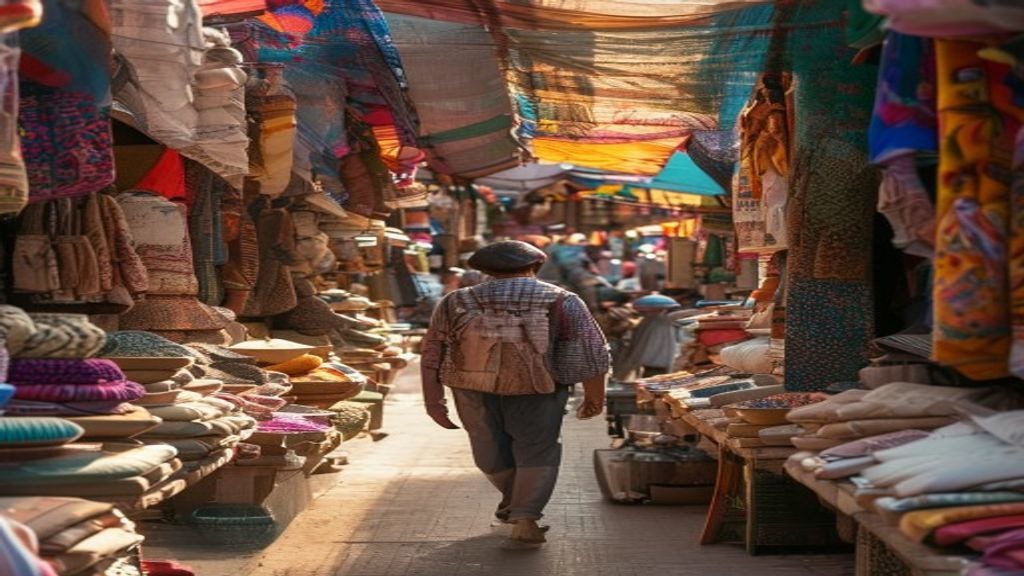
The trips I remember most are rarely the ones with the biggest landmarks.
I remember the grandmother who insisted I try one more spoonful of a homemade dish even though we did not share many words. I remember getting gently corrected at a temple entrance and feeling grateful someone saved me from being careless. I remember a market seller explaining the difference between two spices with the seriousness of a professor. I remember sitting in a small square at sunset and realizing I had finally stopped rushing.
That is cultural travel at its best.
It is not about collecting countries, taking photos of people from a distance, or turning traditions into entertainment. It is about arriving with curiosity, paying attention, and letting a place be more than a backdrop.
The Quick Answer
Cultural travel means experiencing the everyday life, history, food, traditions, language, art, faith, and social rhythm of a destination in a respectful way.
The best cultural trips usually include:
- Staying in a neighborhood with local life, not only tourist convenience.
- Eating where the food has a story.
- Learning basic customs before you arrive.
- Booking local guides or community-led experiences.
- Visiting museums, markets, workshops, heritage sites, and public spaces slowly.
- Asking before photographing people.
- Spending money with local businesses.
- Leaving room for conversations and unplanned moments.
The goal is simple: enjoy the place without treating it like it exists only for visitors.
Start With Respect, Not A Checklist
It is easy to plan cultural travel like a list: museum, old town, market, festival, famous street, traditional meal.
Those things can be wonderful. But culture is not only attractions. It is also how people greet each other, what time dinner happens, how families gather, what sounds fill the street, what is considered polite, what is private, and what locals are tired of explaining to visitors.
Before a trip, I try to learn a few basics:
- Greetings and thank-you phrases.
- Dress expectations.
- Tipping customs.
- Table manners.
- Religious or sacred-site rules.
- Photography etiquette.
- Market bargaining norms.
- Public transport behavior.
- Local holidays or closures.
You do not need to become an expert. You just need to show that you are paying attention.
Choose Where You Stay Carefully
Accommodation shapes how much local life you actually see.
If you stay only inside a tourist zone, you may have an easy trip, but you might also see a version of the place built mainly for outsiders. If you stay too far away without understanding transport or safety, the trip can become stressful.
The sweet spot is a neighborhood that is comfortable, well connected, and still has real daily life: bakeries, cafes, parks, schools, markets, small restaurants, and people going about normal routines.
I like looking for:
- Walkable streets.
- Good public transport.
- Local food nearby.
- Recent reviews mentioning safety and noise.
- Easy access to the places I care about.
- A balance between convenience and atmosphere.
Our where to stay travel guide can help you choose the right base for this kind of trip.
Eat Like Food Is Part Of The Culture
Food is one of the easiest doors into a culture, because it connects history, family, climate, religion, migration, trade, and celebration.
Instead of only searching for “best restaurants,” try asking:
- What do people here eat for breakfast?
- Which dishes are seasonal?
- What is eaten on holidays?
- Are there regional dishes I should look for?
- Is there a market, bakery, tea house, coffee culture, or street food area worth visiting?
- Are there food customs I should understand before sitting down?
Some of my best meals were not fancy. They were simple, local, and tied to a place: soup after a cold walk, bread still warm from an early bakery, fruit bought from a market stall, a dish that made more sense after someone explained the story behind it.
If food is a big part of your trip, pair this with our food travel guide.
Use Local Guides For Deeper Context
A good local guide can completely change how you see a place.
They can explain why a building matters, how a neighborhood changed, what a festival means, which customs are misunderstood, and where visitors accidentally behave badly.
Look for guides or experiences that are:
- Led by people from the area.
- Specific about what you will learn.
- Clear about group size.
- Respectful of residents.
- Transparent about pricing.
- Well reviewed for storytelling, not just logistics.
Walking tours, cooking classes, craft workshops, heritage walks, music sessions, and market visits can all be excellent when they are run well.
The best guide does not make you feel like you consumed a place. They help you understand it.
Visit Heritage Sites With Patience
UNESCO’s World Heritage and sustainable tourism work focuses on protecting heritage values while creating meaningful visitor experiences. That idea matters for any famous cultural site, whether or not it is on a UNESCO list.
When a place is important, slow down.
Read the signs. Follow the rules. Do not climb where you should not climb. Do not touch fragile surfaces. Do not treat sacred spaces like photo studios. Do not block entrances or rituals. If silence is expected, be quiet.
It sounds basic, but basic respect is what keeps cultural places open and meaningful.
If a site is crowded, go early, go late, or visit a less famous nearby place too. Sometimes the quieter stop gives you more connection than the headline attraction.
Understand Living Culture, Not Only Old Culture
UNESCO describes intangible cultural heritage as living heritage: practices, knowledge, expressions, rituals, performing arts, social practices, and craftsmanship that communities recognize as part of their heritage.
That matters because culture is not frozen in the past.
It can be a craft workshop, a song, a festival, a cooking method, a dance, a way of farming, a storytelling tradition, a market ritual, or a community celebration. It can be old and modern at the same time.
As travelers, we should be careful not to demand a “traditional” version of culture that locals have already moved beyond. Real places change. Young people reinterpret traditions. Cities evolve. Food adapts. Language shifts.
The point is not to find a museum version of life. It is to respect the living version.
Ask Before Taking Photos Of People
This is one of the clearest lines in cultural travel.
If a person is the subject of your photo, ask. If you are photographing a child, be even more careful. If someone says no, smile and move on.
Markets, festivals, workshops, and religious events can be visually beautiful, but they are not free photo sets. People are not props.
I also try to buy something or contribute if I spend time photographing a stall, workshop, or performance. Not as a transaction for permission, but because attention should not always flow one way.
For more thoughtful image planning, our travel photography guide goes deeper.
Learn How To Be A Good Guest In Sacred Spaces
Sacred places deserve extra care.
Before entering, check:
- Dress rules.
- Shoe rules.
- Photo restrictions.
- Gender-specific areas.
- Silence expectations.
- Whether visitors are allowed during prayer or ceremonies.
- Where you can sit, stand, or walk.
If you are unsure, watch what respectful locals do or ask someone politely. I would rather ask a simple question than guess wrong in a meaningful place.
This is also where traveling slower helps. When you are rushing, you miss signs and social cues.
Spend In A Way That Supports Local Culture
Your money shapes the kind of tourism that survives.
Whenever possible, spend with:
- Local guides.
- Small restaurants.
- Independent guesthouses.
- Local markets.
- Craft workshops.
- Community-run experiences.
- Museums and heritage organizations.
Be careful with cheap souvenirs that copy local designs but are mass-produced elsewhere. If you can, buy fewer things and choose pieces with a real maker, story, or place behind them.
This is not about shopping more. It is about making the spending you already do more meaningful.
Avoid The “Authentic” Trap
Travelers use the word authentic a lot. I understand why; we want real experiences.
But sometimes “authentic” becomes unfair. It can make us expect local people to perform a fixed version of themselves for our approval.
A modern cafe can be authentic. A young designer reworking traditional textiles can be authentic. A city neighborhood with old buildings and new music can be authentic. A local person eating fast food after work is also living real life.
Instead of asking, “Is this authentic?” ask:
- Is it respectful?
- Is it locally connected?
- Is it honest about what it is?
- Does it benefit the people involved?
- Am I learning something instead of just consuming it?
Those questions are more useful.
Handle Cultural Mistakes Gracefully
You will probably make a small mistake at some point. Everyone does.
Maybe you mispronounce a word, stand in the wrong place, misunderstand a custom, or choose the wrong clothing for a site.
The best response is simple:
- Listen.
- Apologize briefly.
- Correct it.
- Do not make it about your embarrassment.
- Learn for next time.
Most people can tell the difference between a traveler who is careless and a traveler who is trying.
Build A Cultural Day Without Overplanning
Here is a simple structure I like:
Morning: Context
Start with a museum, heritage walk, old neighborhood, or local guide. Learn the story before you wander too much.
Lunch: Local Food
Choose a dish or restaurant connected to the area. Ask what is typical if the setting feels comfortable.
Afternoon: Everyday Life
Visit a market, craft area, park, bookshop, tea house, or neighborhood street. Slow down and observe.
Evening: Atmosphere
Find music, a public square, a night market, a family-run restaurant, or a sunset walk.
This gives the day shape without turning it into a race.
Cultural Travel For Solo Travelers
Cultural travel is especially good for solo travelers because it gives your day purpose.
Instead of feeling like you are simply moving around alone, you can join a walking tour, take a class, sit at a counter restaurant, visit a museum, or explore a market with curiosity.
I also find that learning a few local phrases makes solo travel feel less lonely. Even small interactions can make a day feel warmer.
Our solo travel guide has more safety and confidence tips.
Cultural Travel With Kids
With kids, culture works best when it is hands-on.
Think food markets, short workshops, music, transport, simple museums, parks, festivals, and stories. Long lectures and packed sightseeing days rarely work.
Let kids notice things: colors, smells, street sounds, snacks, greetings, signs, clothing, and routines. Children often understand the feeling of a place before adults finish reading the plaque.
For pacing help, use our family travel guide.
Useful Resources
- UNESCO Intangible Cultural Heritage
- UNESCO World Heritage and Sustainable Tourism
- UN Tourism Global Code of Ethics for Tourism
FAQ
What is cultural travel?
Cultural travel is visiting a place with interest in its local life, history, food, traditions, art, language, faith, and social customs, while behaving respectfully toward the people who live there.
How do I experience local culture without being disrespectful?
Learn basic customs before you arrive, ask before photographing people, follow rules at sacred and heritage sites, spend locally, and choose experiences led by people connected to the culture.
Are cultural tours worth it?
Yes, when they are well run. A good local guide can give context you would miss alone and help you understand a place beyond surface-level sightseeing.
What should I avoid during cultural travel?
Avoid treating people as photo props, ignoring dress or sacred-site rules, bargaining aggressively where it is inappropriate, expecting locals to perform for you, and rushing through places without context.
How can I plan a cultural trip?
Choose a good neighborhood, learn basic etiquette, add one guided experience, plan food intentionally, visit heritage sites slowly, and leave time for everyday places like markets, parks, and local streets.
Final Thoughts
Cultural travel does not have to be complicated.
It starts with humility. You arrive, listen more than you speak, ask better questions, and notice the ordinary details that make a place feel alive.
The reward is a different kind of trip. You still see beautiful places, but you also understand more of what you are seeing. You come home with stories that are not only about where you went, but about what the place taught you.